

Tea is one of the most popular drinks worldwide. Many people start their morning with a cup of black tea, while others prefer green tea because of its lighter taste and reputation for health benefits. Both drinks contain natural antioxidants, caffeine, and plant compounds that may support overall wellness. However, when comparing black tea vs green tea, an important question arises: Which one is actually better for your health?
Some people believe green tea is the healthiest option because it contains catechins, particularly epigallocatechin gallate (EGCG). Others prefer black tea for its stronger taste, higher typical caffeine content, and beneficial compounds called theaflavins.
The truth is that both teas can fit into a healthy diet. Their nutritional properties are similar in several ways, but differences in processing, caffeine, flavor, and plant compounds may make one more suitable for your daily needs.
If you want to lose weight, improve your morning routine, reduce caffeine intake, or simply choose a healthier beverage, understanding these differences can help.
This guide explains the benefits, nutritional characteristics, possible disadvantages, and preparation methods of black tea vs green tea. It also examines what scientific research actually says about their effects on weight management and long-term health.
Black Tea vs Green Tea: Quick Comparison
Both beverages come from the same plant, but their processing methods create important differences.
| Feature | Black Tea | Green Tea |
|---|---|---|
| Plant source | Camellia sinensis | Camellia sinensis |
| Processing | Fully oxidized | Heated to limit oxidation |
| Color | Reddish-brown to dark amber | Pale yellow to greenish |
| Flavor | Strong, malty, bold | Light, grassy, vegetal |
| Typical caffeine per 8 oz | 40–70 mg | 20–45 mg |
| Main polyphenols | Theaflavins and thearubigins | Catechins, especially EGCG |
| Plain tea calories | Approximately 0–2 | Approximately 0–2 |
| Weight-loss evidence | Limited and inconsistent | Some small effects; uncertain clinical importance |
| Heart-health evidence | Potential benefits | Potential benefits |
| Best for | Stronger taste and morning alertness | Lighter flavor and often less caffeine |
| Common varieties | Assam, Ceylon, English Breakfast | Sencha, Dragon Well, Gunpowder |
Caffeine figures are approximate. Tea variety, leaf quantity, water temperature, and steeping time affect the amount in each serving.
Quick answer: Green tea may be a better choice for people who want a lighter drink with generally less caffeine. Black tea may be preferable for those who enjoy a stronger flavor and more pronounced stimulation. Neither has been conclusively proven healthier for everyone.
What Is Black Tea?

Black tea is made from the leaves of the Camellia sinensis plant. Unlike green tea, black tea undergoes extensive oxidation during production.
Oxidation is a natural chemical process that changes the compounds in tea leaves when they are exposed to oxygen after rolling or crushing. It helps develop the dark appearance, strong aroma, and bold flavor associated with black tea.
Black tea is widely consumed in the United States, United Kingdom, India, and many other countries. It is commonly served plain or with milk, sugar, lemon, or spices.
How Is Black Tea Made?
Black tea production generally involves five important stages.
- Harvesting: Fresh tea leaves are collected from tea plants.
- Withering: Leaves are spread out to reduce moisture and make them flexible.
- Rolling: The leaves are rolled or crushed to damage their cells and release enzymes.
- Oxidation: The leaves are exposed to oxygen under controlled conditions, changing their color and flavor.
- Drying: Heat is applied to stop oxidation and reduce moisture for storage.
During processing, some catechins are converted into other polyphenols, including theaflavins and thearubigins. These compounds contribute to black tea’s color, taste, and antioxidant properties.
Popular Types of Black Tea
Assam Tea: Known for its full-bodied, malty flavor. It is popular in breakfast blends and milk tea.
Darjeeling Tea: Often has a delicate, floral, or muscatel-like taste depending on the harvest and processing.
Ceylon Tea: Usually has a bright, brisk flavor and can be enjoyed hot or iced.
English Breakfast Tea: A blend of black teas commonly served in the morning.
Earl Grey Tea: Black tea flavored with bergamot, giving it a distinctive citrus aroma.
Black tea is particularly suitable for people who enjoy traditional tea flavors and want an alternative to coffee.
What Is Green Tea?
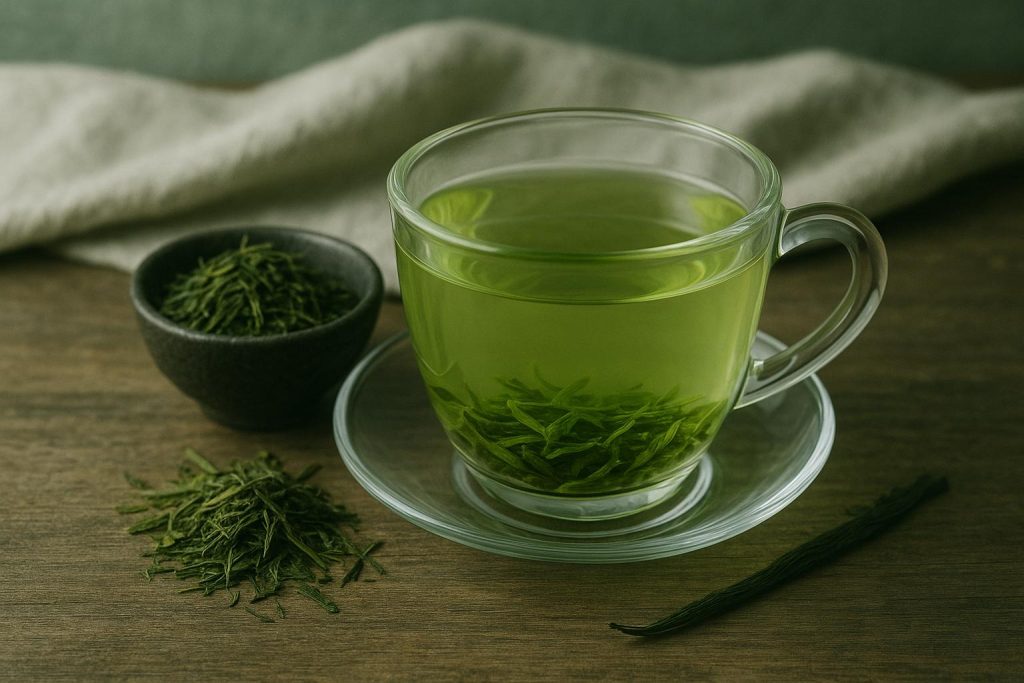
Green tea comes from the same tea plant as black tea. However, it is processed differently.
After harvesting, green tea leaves are heated relatively quickly to reduce the activity of enzymes responsible for oxidation. This process helps preserve many of the naturally occurring catechins.
Green tea has a lighter color and often tastes grassy, sweet, nutty, or slightly bitter. The exact flavor depends on the variety, growing conditions, and brewing method.
Green tea is especially popular in Japan, China, and other parts of Asia, although its consumption has increased worldwide.
How Is Green Tea Made?
The production process generally includes the following steps:
- Harvesting: Young tea leaves are picked from the plant.
- Heating: Leaves are steamed or pan-fired to limit oxidation.
- Rolling and shaping: The leaves are shaped to influence their appearance and flavor.
- Drying: Moisture is removed to improve stability.
- Packaging: The finished tea is stored in protective packaging.
One of the most studied compounds in green tea is EGCG, a catechin associated with antioxidant activity.
However, having more EGCG does not automatically mean green tea provides greater overall health benefits than black tea. Both contain different biologically active compounds, and their effects on the human body are still being investigated.
Popular Types of Green Tea
Sencha: A widely consumed Japanese green tea with a refreshing, grassy flavor.
Matcha: A powdered green tea made from specially grown and processed leaves. Because the whole leaf powder is consumed, its nutrient and caffeine content can differ from regular brewed tea.
Dragon Well (Longjing): A Chinese green tea known for its smooth and slightly nutty flavor.
Gunpowder Green Tea: Rolled into small pellets that unfold during brewing.
Gyokuro: A shade-grown Japanese tea with a rich, savory taste.
People who prefer a mild beverage and want to explore different tea flavors may enjoy these varieties.
Black Tea vs Green Tea: Which Is Better?
The answer depends on what you want from your daily tea.
If your main priority is reducing caffeine, regular brewed green tea may be the better choice. If you prefer a bold drink that helps you feel alert in the morning, black tea could be more suitable.
For overall health, neither tea is a clear universal winner.
According to the Harvard T.H. Chan School of Public Health, green tea contains more EGCG, while black tea is particularly rich in theaflavins. Both types contain compounds that have been investigated for potential health benefits.
It is also important to consider how you prepare your tea.
For example, drinking unsweetened black tea may be a better choice for weight management than consuming green tea with several teaspoons of sugar.
Similarly, a person who experiences anxiety or difficulty sleeping after caffeine may benefit more from a lower-caffeine green tea or decaffeinated tea.
Instead of asking which tea is healthier for everyone, consider which one best fits your daily habits, taste preferences, caffeine tolerance, and individual health needs.
Black Tea vs Green Tea for Weight Loss
Weight loss is one of the biggest reasons people compare these two beverages.
Green tea is frequently marketed as a natural fat-burning drink, while black tea is sometimes associated with metabolism and gut health. But do these claims have strong scientific support?
Does Green Tea Help With Weight Loss?
Green tea contains caffeine and catechins, including EGCG. Researchers have studied whether these compounds influence energy expenditure and fat metabolism.
Some controlled studies have reported small improvements in body weight among people taking green tea preparations or drinking green tea. However, study results are inconsistent, and many studies use concentrated preparations rather than ordinary brewed beverages.
A 2024 systematic review and network meta-analysis published in the British Journal of Nutrition found that green tea was associated with approximately 1.23 kg greater weight loss than placebo. The certainty of this evidence was low, and the researchers noted important limitations.
The Cochrane review also concluded that weight-loss effects were generally small and unlikely to be clinically important.
Therefore, drinking green tea alone is unlikely to produce meaningful weight loss without other changes.
Does Black Tea Help With Weight Loss?
Black tea also contains caffeine and polyphenols that researchers have investigated for possible effects on body weight.
Some laboratory and animal studies suggest that compounds in black tea may influence gut bacteria or fat metabolism. However, these findings do not prove that drinking black tea causes substantial weight loss in humans.
A six-month randomized study involving 111 adults found small improvements in some weight-related measurements after three months of black tea consumption, but the differences were not maintained at six months.
Current evidence is not strong enough to recommend black tea as a weight-loss treatment.
Which Tea Is Better for Belly Fat?
Neither tea has been shown to specifically remove abdominal fat.
The body does not selectively burn belly fat because someone drinks a particular beverage. Changes in abdominal fat generally depend on overall changes in body composition, which are influenced by nutrition, physical activity, sleep, genetics, and other factors.
Green tea has more research examining weight management, but that does not establish reliable belly-fat reduction from drinking it.
A practical approach is to replace sweetened beverages with plain black tea vs green tea and focus on consistent eating and activity habits.
Weight-Loss Comparison Table
| Weight-Loss Factor | Black Tea | Green Tea |
|---|---|---|
| Calories without additions | Very low | Very low |
| Contains caffeine | Yes | Yes |
| Main studied polyphenols | Theaflavins | Catechins and EGCG |
| Evidence of weight reduction | Limited | Small and inconsistent |
| Proven to target belly fat | No | No |
| Can replace sugary drinks | Yes | Yes |
| Suitable for a weight-management plan | Yes | Yes |
Verdict: Green tea has somewhat more supportive clinical evidence for small weight-related effects, but neither drink should be treated as a reliable weight-loss solution. Choosing either without added sugar is a sensible option.
How to Use Black Tea vs Green Tea in a Healthy Weight-Management Routine?
You do not need expensive tea products or special extracts to enjoy these drinks.
Follow these steps to include tea in a practical daily routine.
Step 1: Choose Unsweetened Tea
Begin with plain black tea vs green tea.
Avoid adding large amounts of sugar, honey, or sweetened syrups. These ingredients add calories, which can work against your weight-management goals.
For example, a cup of plain tea contains almost no calories, but adding two teaspoons of sugar contributes approximately 32 calories.
If you usually drink several sweetened cups every day, gradually reducing sugar can make a meaningful difference.
Step 2: Replace One Sugary Beverage
Choose one regular high-calorie drink and replace it with unsweetened tea.
Possible examples include sweetened iced tea, soda, or a sugary coffee drink.
This change may reduce your daily calorie intake without requiring a complicated diet.
Step 3: Select the Right Time
If you tolerate caffeine well, you may enjoy black tea in the morning.
Green tea can also work well in the morning or early afternoon. Avoid caffeinated tea close to bedtime if it interferes with sleep.
There is no reliable evidence that drinking green tea at one exact time causes substantially greater fat loss.
Step 4: Maintain Balanced Meals
Tea should complement your meals rather than replace them.
Include vegetables, fruits, whole grains, protein-rich foods, and appropriate portions based on your individual needs.
If you are managing iron deficiency, avoid drinking tea with iron supplements or iron-rich meals because tea polyphenols can reduce iron absorption.
Step 5: Stay Physically Active
Regular walking, resistance exercises, cycling, or other enjoyable activities can help support long-term weight management.
Tea does not replace exercise, but it can be part of a healthy daily routine.
Step 6: Monitor Your Progress
If weight management is your goal, pay attention to your overall habits over several weeks rather than expecting visible changes after a few cups of tea.
Look at sleep, diet quality, activity, and beverage choices together.
Remember that green tea extracts and concentrated weight-loss supplements are different from ordinary tea. High-dose green tea extracts have been associated with liver injury and should not be assumed safe simply because brewed tea is generally safe.
Black Tea vs Green Tea: Caffeine Content
One of the most noticeable differences between black tea vs green tea is their typical caffeine content.
Caffeine is a natural stimulant that affects the central nervous system. It may temporarily improve alertness and reduce feelings of tiredness.
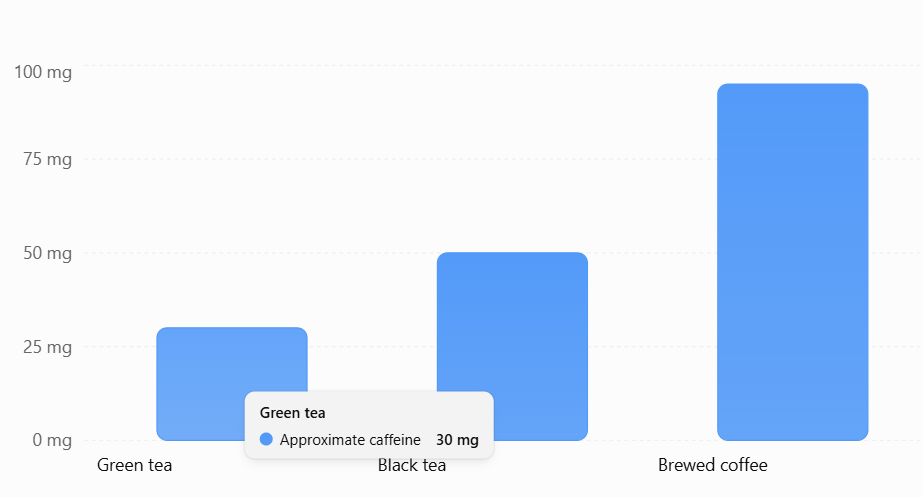
Black tea generally contains more caffeine than regular brewed green tea, although the amounts vary widely.
Typical caffeine per 8-ounce (240 mL) serving
Why Does Black Tea Usually Have More Caffeine?
The caffeine content of tea depends on several factors:
- The tea plant variety and growing conditions
- The quantity of leaves used
- The size and processing of the leaves
- The water temperature
- The brewing time
Although black tea is usually higher in caffeine, oxidation itself does not simply create additional caffeine. Differences in tea selection and brewing explain much of the variation.
Which Tea Is Better for Energy?
Black tea may provide a more noticeable stimulating effect when it contains more caffeine.
If you want an alternative to coffee, black tea can be a good option because an ordinary serving often provides less caffeine than brewed coffee.
Green tea also contains caffeine and may help you feel more alert without providing as much stimulation.
Both teas naturally contain L-theanine, an amino acid studied for its possible effects on attention and relaxation. However, the effects of drinking tea vary among individuals.
How Much Caffeine Is Safe?
The U.S. Food and Drug Administration states that up to 400 mg of caffeine per day is generally not associated with dangerous negative effects for most healthy adults.
However, some people experience sleep problems, anxiety, palpitations, or digestive discomfort at much lower amounts.
Pregnant individuals are generally advised to stay below 200 mg per day and should discuss caffeine use with their clinician.
Verdict: Green tea is often preferable for people who want less caffeine. Black tea may be better for those who enjoy a stronger caffeinated beverage.
Black Tea vs Green Tea: Antioxidants and Nutritional Benefits
Both tea varieties contain polyphenols, which are naturally occurring plant compounds.
Polyphenols can act as antioxidants in laboratory settings, but their activity in the body is more complex than simply eliminating harmful molecules.
Antioxidants in Green Tea
Green tea is especially known for catechins, including:
- Epigallocatechin gallate (EGCG)
- Epicatechin
- Epicatechin gallate
- Epigallocatechin
EGCG is one of the most extensively studied green tea compounds.
Research has examined its possible influence on inflammation, blood lipid levels, cellular signaling, and metabolic health.
However, many studies use isolated compounds or concentrations that are not necessarily achieved by drinking ordinary tea.
Antioxidants in Black Tea
During oxidation, some catechins undergo chemical changes and form compounds such as theaflavins and thearubigins.
These substances contribute to black tea’s distinctive color and flavor.
Researchers have investigated their possible effects on cardiovascular risk factors and cellular processes.
Black tea is therefore not an antioxidant-free or nutritionally inferior version of green tea.
Which Tea Has More Antioxidants?
Green tea usually contains more of the original catechins, while black tea contains more oxidation-derived polyphenols.
The total antioxidant content varies depending on the tea variety, production method, and brewing conditions.
It is misleading to conclude that one tea is always healthier solely because a laboratory test measures a higher antioxidant value.
Research suggests that both types can contribute useful plant compounds to a balanced diet.
Health Benefits of Black Tea vs Green Tea
1. May Support Heart Health
Heart health is among the most researched areas of tea consumption.
Observational studies have linked regular tea drinking with favorable cardiovascular outcomes. Some controlled trials also suggest modest improvements in selected risk factors, such as blood pressure or cholesterol.
Both black tea vs green tea have shown potentially beneficial effects, although studies differ in design and quality.
A Cochrane review examining cardiovascular risk factors found encouraging but limited evidence for both varieties.
This does not mean either tea prevents heart attacks or replaces medical treatment.
For better heart health, tea should be part of a broader routine that includes physical activity, balanced nutrition, and appropriate medical care.
2. May Improve Focus and Alertness
Both beverages contain caffeine, which can temporarily improve alertness.
A cup of black tea might suit someone who needs a morning beverage before beginning work.
Green tea may be attractive to people who prefer a lighter drink during a study session or afternoon break.
The best choice depends on personal caffeine tolerance. Drinking more tea is not necessarily better, particularly if caffeine causes nervousness or interferes with sleep.
3. May Contribute to Metabolic Health
Researchers are investigating how tea polyphenols affect processes related to glucose metabolism, blood lipids, and energy balance.
Some studies have reported beneficial changes in particular metabolic measurements. However, the evidence does not establish that drinking either tea reliably prevents or treats diabetes.
People with diabetes can generally include unsweetened tea in their eating plan, but should not use it as a substitute for prescribed treatment.
4. May Support a Healthier Beverage Routine
One of the clearest benefits of either tea is that it can replace beverages containing large amounts of added sugar.
For example, replacing a sugary bottled drink with plain green tea or unsweetened iced black tea can help reduce added sugar consumption.
This benefit does not depend on whether black tea vs green tea has the stronger antioxidant activity.
It depends on the practical improvement in everyday food and beverage choices.
5. Can Contribute to Daily Fluid Intake
Both teas are mostly water.
Moderate amounts of caffeinated tea can contribute to hydration. Although caffeine has mild diuretic properties, an ordinary serving of tea does not generally cause a net loss of body water in habitual consumers.
Plain water remains a good primary beverage, particularly when you want to avoid caffeine.
Black Tea vs Green Tea for Skin Health
Green tea frequently appears in skincare products because researchers have studied its catechins, including EGCG.
Laboratory studies suggest that certain green tea compounds may influence inflammatory pathways and responses to environmental stress.
However, there is limited clinical evidence that drinking green tea alone substantially improves acne, wrinkles, or skin pigmentation.
Black tea also contains polyphenols with potential biological activity, but studies do not establish that it provides better or worse skin results than green tea.
For healthy skin, the most reliable everyday measures include sun protection, adequate nutrition, and appropriate skincare.
Tea can be an enjoyable addition to your routine, but it is not a replacement for sunscreen or dermatological treatment.
Black Tea vs Green Tea for Digestion and Gut Health
Tea contains polyphenols that may interact with bacteria in the digestive system.
Scientists are studying how these substances are transformed by gut microorganisms and whether they influence the composition or activity of the gut microbiome.
Black tea’s theaflavins and thearubigins have attracted interest because some may reach the large intestine, where microbes can metabolize them.
Green tea catechins are also being studied for possible interactions with gut bacteria.
However, human evidence is still developing. It is too early to claim that either beverage consistently improves digestion, prevents constipation, or treats gut disorders.
Some people also experience nausea, stomach irritation, or acid reflux after drinking strong tea, particularly on an empty stomach.
If tea causes discomfort, try a weaker brew, drink it after a small snack, or reduce your intake.
Are There Any Side Effects of Black Tea vs Green Tea?
Despite their potential benefits, both types of tea can cause problems in certain situations.
Caffeine-Related Symptoms
Drinking too much caffeinated tea may cause:
- Difficulty sleeping
- Nervousness or restlessness
- Increased heart rate or palpitations
- Headaches
- Stomach discomfort
People who are sensitive to caffeine should consider smaller servings or decaffeinated varieties.
Reduced Iron Absorption
Tea polyphenols can reduce the absorption of non-heme iron, especially when tea is consumed with an iron-rich meal.
This may be particularly relevant for people with iron deficiency, those following plant-based diets, and individuals taking iron supplements.
The NHS recommends leaving a two-hour gap between ferrous sulfate supplements and tea or coffee.
Medication Interactions
Certain tea compounds may affect how some medicines work.
For example, the National Center for Complementary and Integrative Health reports that green tea can reduce blood levels of nadolol, a medication used for certain heart conditions.
People taking regular medication should ask a healthcare professional about possible interactions, particularly before using concentrated green tea products.
Risks of Concentrated Green Tea Extracts
Brewed green tea and green tea extract capsules should not be treated as equivalent.
Some concentrated extracts provide much higher amounts of catechins than ordinary beverages.
High-dose extracts have been associated with liver problems in some individuals. Do not use green tea extract supplements for weight loss without medical advice.
How to Make Black Tea: Step-by-Step Guide
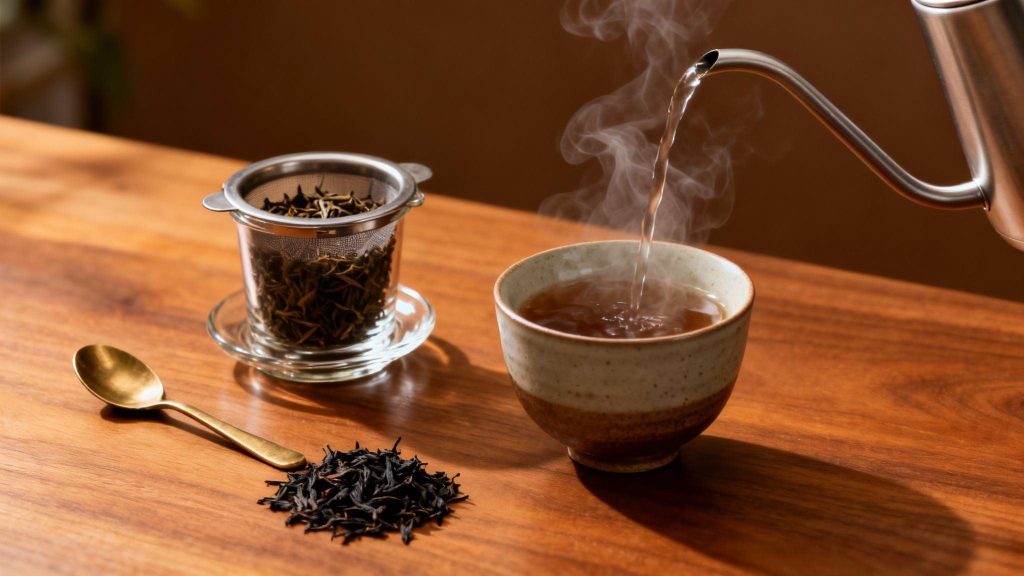
Making black tea at home is simple. Proper brewing helps produce a rich flavor without excessive bitterness.
Ingredients
- 1 cup (240 mL) of fresh water
- 1 black tea bag or approximately 2 grams of loose-leaf black tea
- Lemon or milk, optional
- Sugar or sweetener, optional
Step 1: Boil Fresh Water
Heat fresh drinking water to approximately 95–100°C (203–212°F).
Black tea generally tolerates hotter water than green tea.
Step 2: Add Tea Leaves
Place one tea bag or about one teaspoon of loose-leaf black tea into a cup or teapot.
The exact amount can be adjusted according to the tea’s instructions and your preferred strength.
Step 3: Pour Hot Water
Pour the heated water over the tea.
Make sure the leaves are completely covered so they can infuse evenly.
Step 4: Steep for Three to Five Minutes
Allow the tea to steep for approximately three to five minutes.
Shorter brewing produces a lighter cup, while longer brewing generally creates a stronger, more astringent flavor.
Step 5: Remove the Tea Leaves
Remove the tea bag or strain the loose leaves.
Leaving the leaves in hot water for too long can make the tea unpleasantly bitter.
Step 6: Serve and Enjoy
Drink the tea plain or add a small amount of milk or lemon according to your taste.
For a lower-calorie drink, avoid unnecessary added sugar.
How to Make Green Tea: Step-by-Step Guide
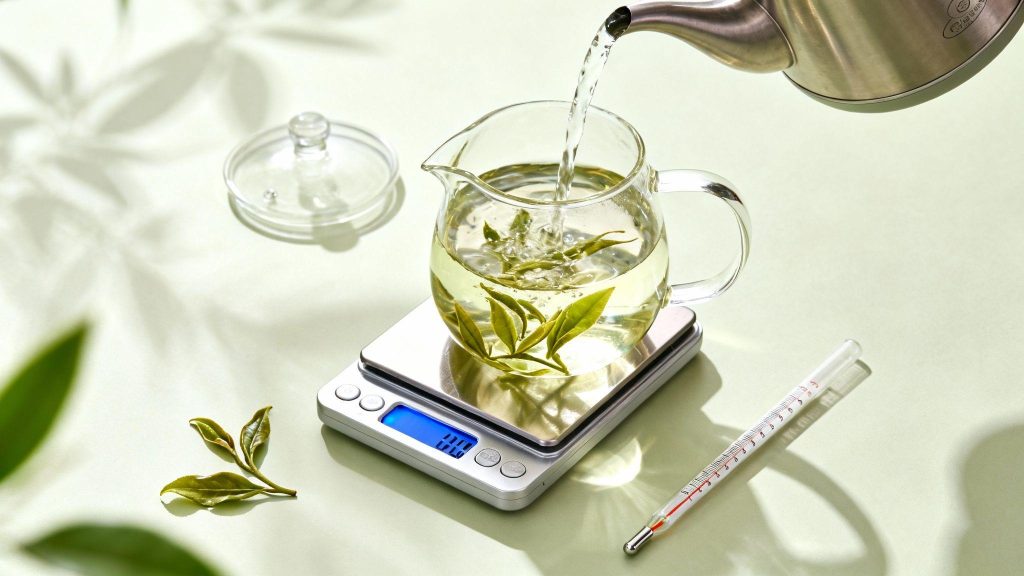
Green tea is more sensitive to excessive heat, and careful preparation can help preserve its delicate taste.
Ingredients
- 1 cup (240 mL) of water
- 1 green tea bag or approximately 2 grams of loose-leaf green tea
- Lemon, optional
Step 1: Heat Water
Heat the water to approximately 70–85°C (158–185°F).
Some delicate Japanese green teas require even lower temperatures. Follow the package instructions when available.
Step 2: Add Green Tea Leaves
Place the tea bag or loose leaves in a cup or teapot.
Use the recommended quantity for the selected variety.
Step 3: Pour Water Over the Tea
Add the heated water gently.
Using excessively hot water may result in a more bitter or astringent cup.
Step 4: Steep for One to Three Minutes
Allow the tea to steep for approximately one to three minutes.
Taste it after the recommended brewing time and adjust future preparations to your preference.
Step 5: Strain the Tea
Remove the tea bag or leaves immediately after brewing.
Step 6: Drink Plain or Add Lemon
Enjoy the tea warm.
A small amount of lemon can improve the flavor for people who find plain green tea too grassy.
Avoid assuming that adding lemon or other ingredients turns green tea into a fat-burning treatment.
Black Tea vs Green Tea: Which Is Better for Morning and Evening?
Choosing the right tea also depends on when you plan to drink it.
| Time | Suggested Choice | Reason |
|---|---|---|
| Early morning | Black or green tea | Both provide caffeine and can improve alertness |
| Mid-morning | Either | Choose according to taste and caffeine tolerance |
| Early afternoon | Green or black tea | Both are suitable if caffeine does not affect your sleep |
| Late afternoon | Lower-caffeine or decaf tea | Helps reduce the risk of nighttime sleep disruption |
| Before bedtime | Caffeine-free herbal infusion | Usually preferable if caffeine affects your sleep |
There is no universal best time to drink either tea.
For example, someone who sleeps at 9 PM may need to stop drinking caffeinated tea earlier than someone who sleeps at midnight.
Because caffeine can remain in the body for several hours, people with sleeping difficulties may benefit from avoiding it for at least six to eight hours before bedtime, or longer if particularly sensitive.
Can You Drink Black Tea and Green Tea on the Same Day?
Yes. Many healthy adults can enjoy both teas on the same day.
For example, you could drink black tea in the morning and green tea during the early afternoon.
The important consideration is your total caffeine intake, including caffeine from coffee, energy drinks, chocolate, and other sources.
A balanced approach is to choose the amount that suits your body rather than forcing yourself to drink a fixed number of cups.
People with medical conditions, medication interactions, or pregnancy-related caffeine limits may need individualized guidance.
Black Tea vs Green Tea: Which One Should You Choose?
Both teas offer distinct advantages.
- Choose black tea if you: Prefer a strong, malty flavor; enjoy traditional breakfast tea; want a caffeinated alternative to coffee; or like a beverage that works well with milk and spices.
- Choose green tea if you: Prefer a lighter, fresher flavor; usually want less caffeine than black tea; enjoy unsweetened beverages; or are particularly interested in catechins such as EGCG.
You do not need to choose only one. Drinking both can provide variety and help you discover which beverage you enjoy most.
The quality of your overall diet and lifestyle matters much more than choosing the supposedly perfect tea.
Also Read:
- Eye Examination for Cataract
- How Can I Get Rid of Cellulite on My Legs
- Best Ayurvedic Toothpaste in India
- How to Use a Continuous Glucose Monitor for Weight Loss
Frequently Asked Questions About Black Tea vs Green Tea
Black tea vs green tea: Which is better for overall health?
Both are healthy beverage choices when consumed in moderate amounts without excessive added sugar. Green tea contains more catechins, particularly EGCG, while black tea contains substantial amounts of theaflavins and thearubigins. Both have been studied for potential cardiovascular and metabolic benefits. There is no conclusive evidence that one is healthier for every person. Your caffeine tolerance, medications, health conditions, and preferences should guide your choice.
Is green tea better than black tea for weight loss?
Green tea has more clinical research supporting small potential weight-loss effects. However, the improvements observed in many studies are modest, and the findings are not consistently clinically meaningful. Black tea also contains potentially beneficial compounds, but evidence for weight loss is more limited. Neither tea reliably causes substantial weight loss by itself. A balanced diet, physical activity, and replacing sugary drinks with unsweetened alternatives are more important for sustainable results.
Which tea has more caffeine: black tea or green tea?
Black tea generally contains more caffeine than regular brewed green tea. An 8-ounce cup of black tea often provides around 40–70 mg of caffeine, while green tea commonly contains approximately 20–45 mg. These are broad estimates rather than guaranteed amounts. Tea variety, brewing temperature, leaf quantity, and steeping time can change the caffeine content significantly. Matcha may contain more caffeine than many ordinary brewed teas.
Can I drink green tea on an empty stomach?
Some people can drink green tea on an empty stomach without problems, while others may experience nausea or stomach irritation. The caffeine and polyphenols in tea can contribute to digestive discomfort in sensitive individuals. If this happens, try drinking a weaker preparation or enjoying your tea after eating a small snack. There is no proven weight-loss advantage to consuming green tea on an empty stomach.
Is black tea good for belly fat?
There is not enough scientific evidence to conclude that black tea specifically reduces belly fat. Although researchers have studied black tea polyphenols and their possible effects on metabolism, findings from laboratory studies do not automatically translate into meaningful weight loss in humans. Unsweetened black tea can still be useful in a weight-management plan because it can replace drinks containing added sugar and excess calories.
How many cups of black tea or green tea should I drink daily?
For many healthy adults, one to three cups of tea daily can be a reasonable personal choice, but this is not a medically required amount or an established optimal dose. The appropriate quantity depends on caffeine strength, sensitivity, pregnancy status, medications, and other caffeine sources. More tea does not necessarily provide more health benefits. If you experience sleep problems, heart palpitations, or digestive discomfort, reduce your intake.
Does green tea burn fat while sleeping?
There is no convincing evidence that drinking green tea before bedtime causes meaningful fat burning during sleep. Green tea contains caffeine and catechins that have been studied for metabolic effects, but these effects do not establish nighttime fat loss. In fact, drinking caffeinated green tea late in the evening may interfere with sleep. Good sleep is important for overall health and weight management, so avoid caffeine near bedtime if you are sensitive to it.
Is black tea healthier than coffee?
Black tea vs coffee can fit into a balanced diet. Black tea generally contains less caffeine per serving than coffee, which may appeal to people who want a milder stimulant. Both beverages contain naturally occurring plant compounds. Neither is universally healthier, and the choice depends on caffeine tolerance, preparation method, and individual health needs. Adding large amounts of sugar or sweetened creamers can change the nutritional value of either drink.
Can people with diabetes drink black tea or green tea?
Unsweetened black tea vs green tea can generally fit into a diabetes-friendly eating plan because they contain very few calories and carbohydrates. However, neither should replace diabetes medication or proven methods of blood glucose management. Some research has investigated tea polyphenols and glucose metabolism, but results do not establish tea as a diabetes treatment. People taking medications should also check for potential interactions with their healthcare professional.
Can black tea vs green tea reduce cholesterol?
Some controlled studies suggest that tea consumption or certain tea preparations may modestly improve total cholesterol or LDL cholesterol levels. However, the effects differ between studies, and results from concentrated extracts cannot always be applied to ordinary tea drinking. Neither black tea nor green tea should replace cholesterol-lowering medication when prescribed. A heart-healthy diet, exercise, and appropriate medical treatment remain the main priorities.
Is it safe to drink black tea vs green tea together?
Yes, combining black tea vs green tea is generally acceptable for most healthy adults. You can mix the tea leaves or drink them separately throughout the day. The combined caffeine content matters more than whether the teas are consumed together. If you are sensitive to caffeine, use smaller portions or choose decaffeinated options. There is no convincing evidence that combining the two creates additional weight-loss benefits.
Does adding milk reduce the health benefits of black tea?
Research on how milk affects the biological activity of tea polyphenols has produced mixed findings. Milk can interact with certain compounds in laboratory settings, but that does not prove it eliminates the health benefits of drinking tea. If you prefer black tea with milk, there is generally no need to avoid it solely for antioxidant reasons. Pay more attention to excessive added sugar and the overall nutritional content of your beverage.
Final Verdict: Black Tea vs Green Tea
When comparing black tea vs green tea, the most important point is that both beverages can contribute to a healthy lifestyle.
Green tea is particularly rich in catechins and generally contains less caffeine than black tea. It has also been studied more extensively for weight management, although the evidence suggests that any weight-loss effects are usually small.
Black tea offers a stronger flavor and contains different polyphenols, including theaflavins. It can be an excellent alternative to coffee, especially for people who enjoy a more robust beverage.
For weight loss, green tea has a slight advantage in the available research, but neither tea is a magic solution. For overall health, there is no definitive winner.
Choose the tea you enjoy, limit unnecessary sugar, pay attention to caffeine, and build healthy habits around balanced nutrition, activity, and good sleep.